Cold Brew Tea Ratios: A Chart for Green, Black, Oolong, and Herbal Teas
Cold brewing is the most forgiving way to make tea, right up until it isn't. Drop a spoonful of leaves into a jar, forget it in the fridge overnight, and you get either the softest, sweetest tea you have made all year or a flat, astringent disappointment. The tea is rarely the problem. The ratio and the clock are.
Hot water gives you feedback in seconds: color blooms, aroma rises, and one sip tells you where things stand. Cold water gives you almost nothing for the first two hours, which is how cold-brewed tea ends up too weak, too bitter, or somehow both. The numbers below are a starting point, not a rulebook.
Start With One Simple Baseline
Hold onto this first: about 1 gram of leaf per 100 ml of cold water. That is roughly one teaspoon of loose tea per cup, which is close to the ratio most people already use for hot tea. Because cold water extracts so slowly, you can push to 1.2 or even 1.5 grams per 100 ml without the cup turning harsh. That headroom is exactly why cold brewing is hard to ruin.
Grams first, spoons second
Weigh your leaves for the first two or three batches. It takes ten seconds and shows you what your usual scoop actually holds, which varies a lot by tea: a teaspoon of tightly rolled oolong can weigh twice as much as a teaspoon of fluffy silver needle. Once you know your scoop, put the scale away.
- 1 teaspoon of most loose-leaf tea: about 2 to 2.5 grams
- 1 tablespoon: about 3 grams for fluffy leaves, up to 6 grams for dense ones
- 1 standard tea bag: roughly 2 grams
- 500 ml of water: about 2 cups, or 17 fluid ounces
The Chart: Ratios and Fridge Times by Tea Type
These amounts are for 500 ml of cold, filtered water. Double them for a liter. All times are fridge time — the jar goes straight into the refrigerator, not onto the counter.
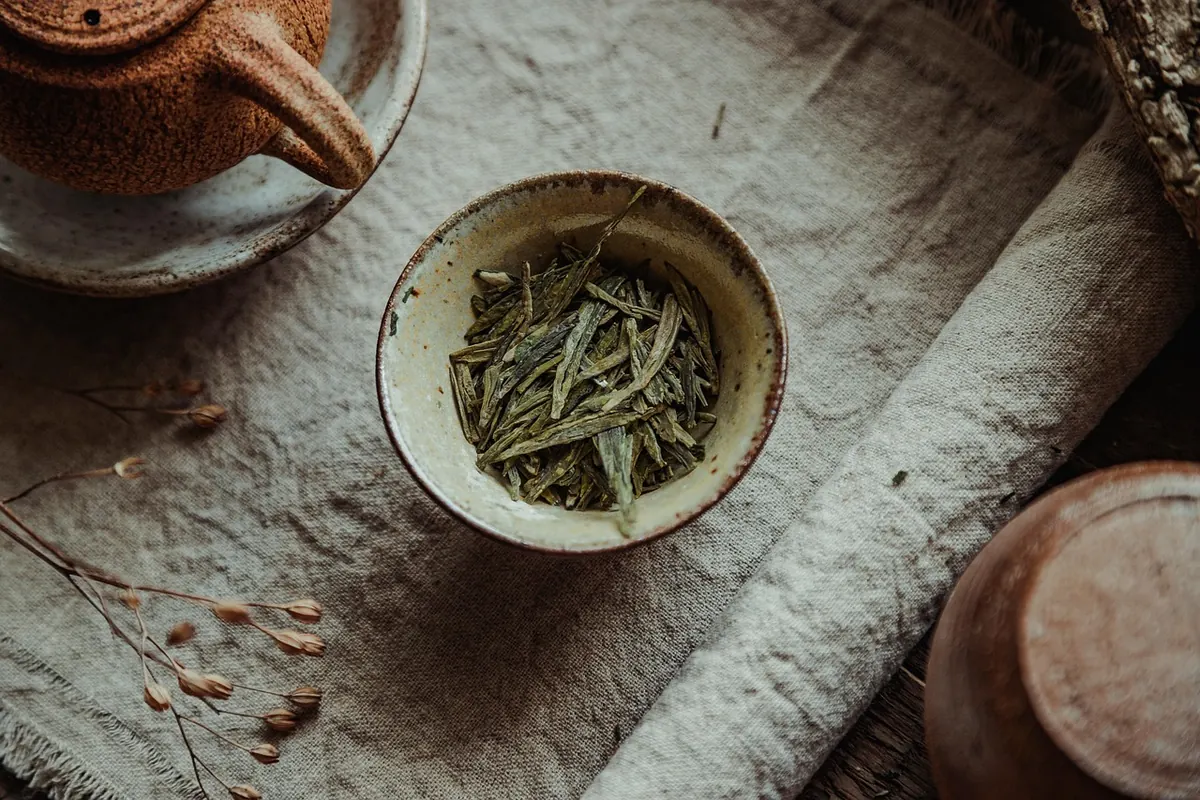
- Green tea — 4 to 5 grams (about 2 teaspoons) | 4 to 6 hours. Chinese greens, sencha, and dragon well all shine here. Six hours is the ceiling; past that, delicate greens turn grassy and sharp.
- White tea — 5 to 6 grams | 6 to 8 hours. Silver needle is bulky, so weigh it if you can. The result is faintly honeyed and easy to drink neat.
- Oolong — 5 to 6 grams | 6 to 8 hours for light and ball-rolled styles, 8 to 10 hours for roasted ones. Roasted oolongs hold up beautifully, giving you stone fruit and toast.
- Black tea — 5 to 6 grams | 6 to 10 hours. Darjeeling and Ceylon are ready near six hours; Assam and other malty teas can go longer without turning bitter.
- Pu-erh — 6 grams | 8 to 12 hours. Ripe pu-erh goes deep and earthy. Raw pu-erh needs less time and rewards patience.
- Herbal infusions — 6 to 10 grams (2 to 3 tablespoons) | 8 to 12 hours. Rooibos and mint do well at the long end. Hibiscus and chamomile are better around 6 to 8 hours, since hibiscus gets aggressively tart.
Want a concentrate?
Double the leaf, keep the time the same, then dilute one part tea with one part cold water when you pour. Handy for a pitcher of iced tea, and essential for milk-based drinks where the tea has to stand up to dairy.
What Shifts the Numbers
Leaf size and grade
Whole leaves steep slowly. Broken leaves, fannings, and dust release flavor fast, so if you are cold brewing tea bags, cut the time by about a third and taste early. Large, intact leaves will need the full window or a little longer.
Water and vessel
Use filtered water; chlorine flattens aroma and there is no heat to cook it off. A clean glass jar with a lid is ideal, and a French press works well because you can press and pour in one motion. Leave an inch of space at the top so the leaves have room to move.
Your own taste
Two people can brew the same leaf at the same ratio and disagree about the result. Trust your mouth over the chart, and treat the times as windows rather than deadlines.
How to Taste and Adjust
- Spoon out a small amount at the early end of the window and taste it cold. Cold tea tastes different from warm tea, so judge it at the temperature you will actually drink it.
- If it is close but thin, leave the leaves in and check again in an hour.
- If it is strong or harsh, strain it immediately and add cold water a splash at a time.
- If it is exactly right, strain, write the tea name, ratio, and date on the jar, and start from that known point next time.
A tea that tastes thin at six hours will usually round out by ten. A green tea that tastes sharp at five is telling you to strain it now.
Straining, Storing, and Serving
Strain through a fine mesh sieve, or a paper filter if you want a very clean cup. Leaves left sitting in the jar keep steeping, slowly and unevenly, which is why a batch that tasted perfect at midnight can taste tired by morning.
Cold-brewed tea keeps in the fridge for two to three days, closer to three for herbal infusions. Discard it if it smells sour, looks cloudy, or feels slick. Serve over ice, cut with sparkling water, or top black tea and rooibos with a splash of milk. Sweeten with honey syrup rather than straight honey, which will not dissolve in cold liquid, and add citrus peel or a bruised mint leaf at the start of brewing if you want flavor without sugar.
A word on herbs: if you are pregnant, nursing, or taking regular medication, check with a pharmacist or doctor before drinking large amounts of any herbal infusion, particularly licorice root or hibiscus.
Pick One Tea and Start Tonight
Choose the tea you drink most often, measure 5 grams, add 500 ml of cold filtered water, lid on, into the fridge. Set a timer for two hours before the end of the window so you remember to taste it. Adjust, note what you did, and repeat. Three batches in, you will have your own chart, and cold brewing will stop being a gamble.
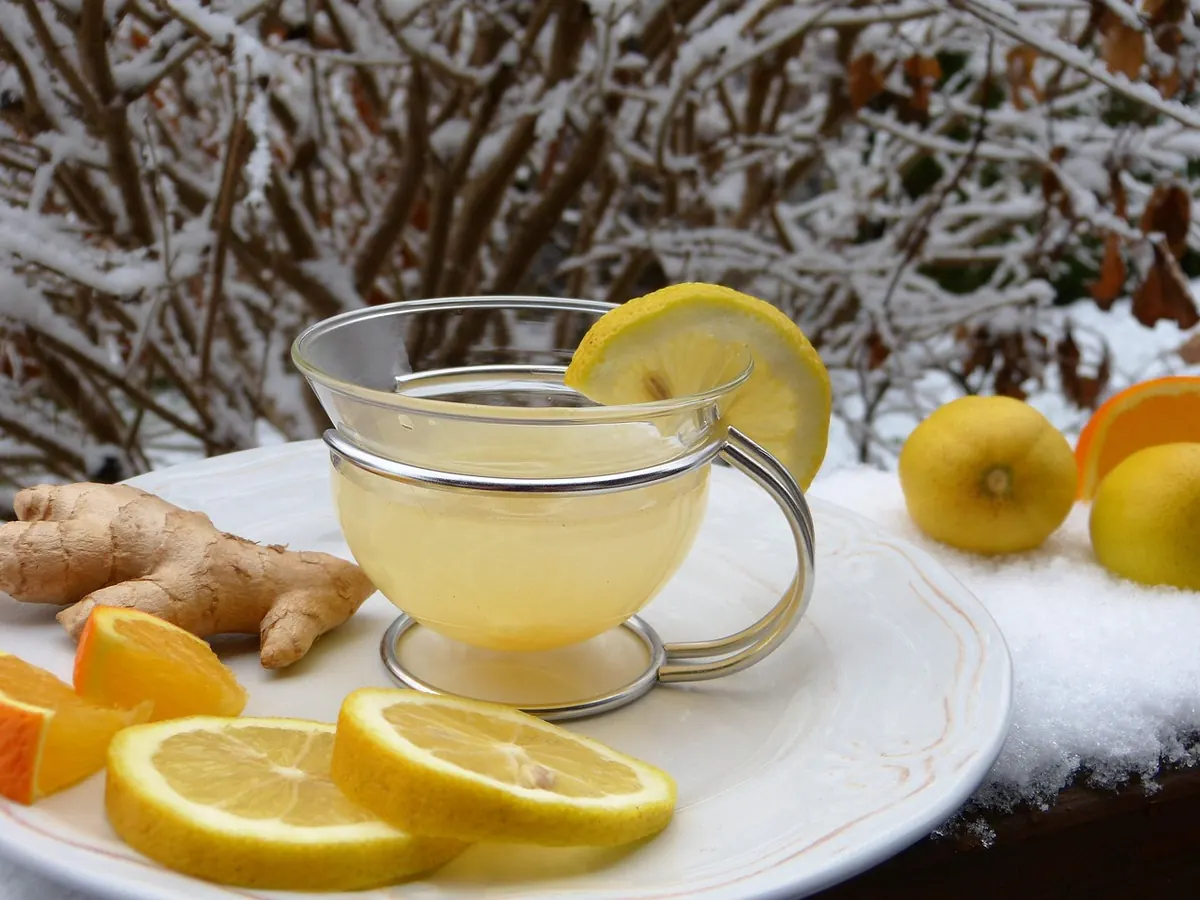
Photo: silviarita / Pixabay