


DIY Boba Tea: How to Cook Tapioca Pearls and Brew the Perfect Base
Good boba comes down to three things: pearls with a springy chew, a tea base strong enough to survive milk and ice, and enough sweetness to pull the whole cup together. The flavored syrups and torched-sugar toppings can wait.
Most home attempts fail at the first step. The pearls go gummy in the center or rock-hard in the fridge, the tea tastes bitter or watery, and the finished drink ends up like sweet milk with an odd aftertaste. The fixes are small and specific, and once they are in place, a café-style cup takes about fifteen minutes of real work.
Start With the Right Pearls
Boba shops in Taiwan and elsewhere use tapioca pearls made from cassava starch, and the shelf-stable bags sold online and in Asian groceries generally fall into two camps. Quick-cook pearls, usually five millimeters, soften in five to eight minutes. Raw or "traditional" pearls take forty-five minutes to an hour and reward you with a firmer, more substantial chew. Fresh or frozen pearls are already cooked, so you only need to warm them through.
Check the bag for tapioca starch in the ingredients and cook by feel rather than by the clock on the label. Timing claims are optimistic. Plain pearls are also a better buy than flavored ones: unflavored starch soaks up whatever syrup you cook it in, while pre-sweetened pearls fight your sweetener.
How to Cook Tapioca Pearls That Stay Chewy
- Use a big pot and far more water than you think. Aim for at least ten parts water to one part pearls by volume. Crowded pearls stick together and cook unevenly.
- Add them to a rolling boil. Stir for the first minute so nothing fuses to the bottom, then keep the pot at a strong simmer, uncovered, stirring every few minutes.
- Start tasting early. For quick-cook pearls, check one at five minutes; for raw pearls, at forty. Cool the test pearl for thirty seconds before biting. You want tender all the way through with a soft resistance — no chalky core. If it fights back, give it five more minutes.
- Let raw pearls rest off the heat. Turn off the burner, cover the pot, and leave them twenty to thirty minutes. This finishes the center without turning the outside to paste.
- Drain and rinse briefly with warm water. A quick rinse removes surface starch so the syrup stays clear. A long cold rinse firms the outsides and dulls the chew.
- Move them straight into syrup. Hot pearls absorb syrup; cold pearls sit in it. Keep them in the syrup at room temperature and use within about four hours.
Brown Sugar Syrup
Simmer 200 g dark brown sugar with 100 ml water and a pinch of salt for three to five minutes, until slightly thickened. For deeper color and flavor, drop the drained pearls into the warm syrup and simmer them together for another five minutes. The syrup keeps in the fridge for a couple of weeks; the pearls do not.
If your pearls firm up, do not serve them cold. Thirty seconds in the microwave or a quick dip in hot water brings the chew back.
Pick a Tea Base That Can Hold Its Own
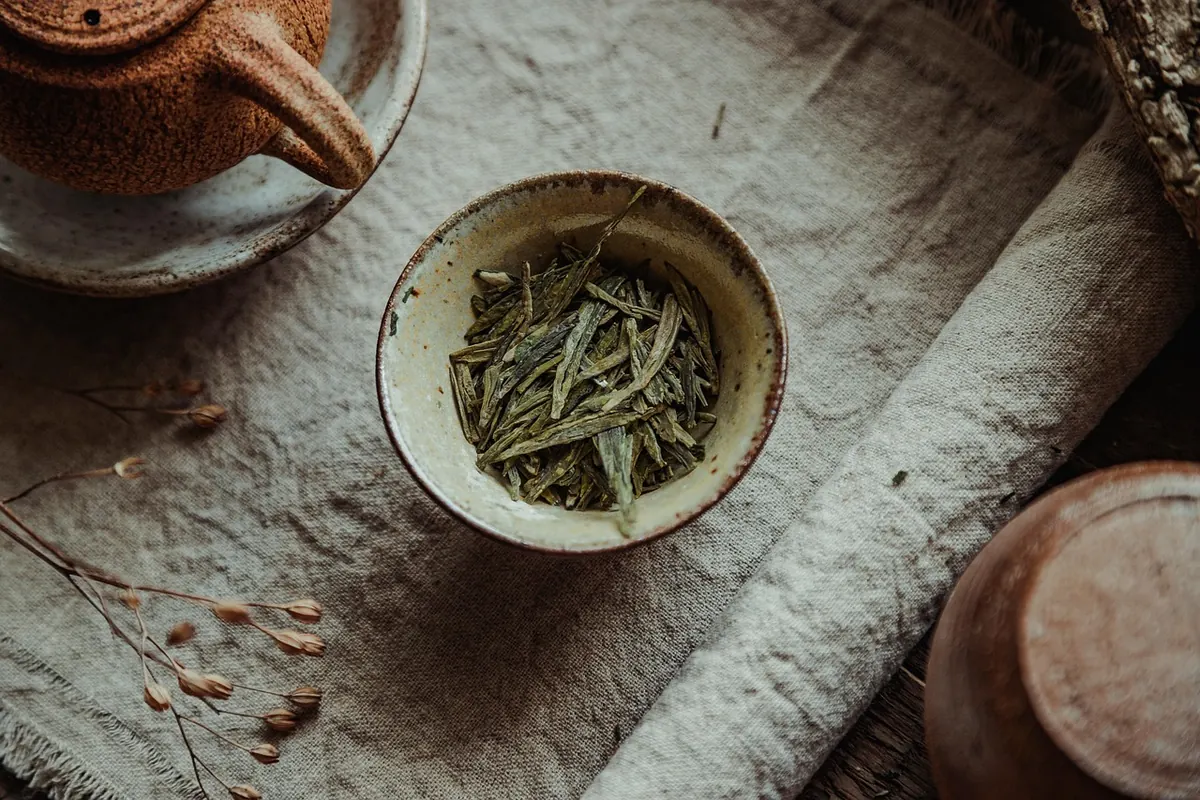
Milk and ice dilute everything, so the tea has to be brewed stronger than you would drink it plain — roughly twice normal strength. Ten grams of loose leaf (or about four tea bags) to 500 ml of water is a reliable starting point.
- Assam or Ceylon black: malty and assertive, the classic pairing with milk. Brew at about 95°C for four minutes.
- Roasted oolong: nutty and toasty with less astringency. Around 90°C for three to four minutes.
- Jasmine green: floral and lighter. Keep the water near 80°C and stop at two to three minutes, or it turns bitter fast.
- Hojicha: roasted green tea with almost no bite, good if you find black tea too heavy.
- Fruit and herbal infusions: excellent with ice and syrup, but skip the milk — acidic fruit teas will curdle dairy.
Strain the leaves as soon as the time is up and cool the tea quickly. Leaving it steeping in the pot is the most common reason a home boba drink tastes harsh.
Cold Brew for a Smoother Cup
Combine ten grams of leaf with 500 ml cold water and refrigerate for eight to twelve hours, then strain. The result is rounder and less bitter, which suits green and lighter oolong teas especially well. It takes planning, not skill.
Sweetener Ratios and Assembly
Simple syrup is one part white sugar to one part water, heated just until the sugar dissolves. Brown sugar syrup runs thicker at two parts sugar to one part water. Honey works too, stirred into warm tea rather than boiling liquid, and a tablespoon of condensed milk makes a richer, dessert-style cup — cut the syrup back if you use it.
For a 500 ml glass, this template gets you close to a standard shop order:
- 3 tablespoons cooked pearls
- 150 ml strong tea
- 100 ml milk of choice
- 20–30 ml syrup (30 ml for full sweetness, 15 ml for half, none if you prefer)
- Ice to fill
Whole milk gives the creamiest body. Oat milk is the closest plant-based match and behaves well with black and oolong teas; soy works but can curdle against fruit infusions. Build the drink in order — syrup first, then pearls, then ice, then tea, then milk — so the layers hold and the sweetness distributes as you stir. Shake the tea, milk, and syrup with ice for ten to fifteen seconds if you want a foamy top, then pour over the pearls. A wide reusable straw or a long spoon is not optional; tapioca needs room.
One sensible note: tapioca pearls are mostly starch and these drinks carry real sugar. If you are managing blood sugar or another dietary condition, that is a conversation for a healthcare professional rather than a recipe.
Variations Worth Trying Once You Have the Basics
- Matcha boba: whisk two grams of matcha with 60 ml warm water, then build with milk and a lighter syrup.
- Thai-style: brew strong black tea with star anise and a cardamom pod, sweeten with condensed milk, skip the simple syrup.
- Fruit tea: jasmine green over ice with fresh passion fruit or muddled berries, no milk, half the usual syrup.
- Brown sugar milk: pearls in heavy brown sugar syrup, cold milk poured over, tea optional.
The Habits That Make the Difference
Cook pearls the day you plan to drink them, and only as many as you will finish. Brew the tea strong and cool it fast. Sweeten to taste rather than to a formula, since tea strength and milk choice both shift the balance.
Taste the cup before you hand it over, and keep a small pot of hot water nearby to loosen a drink that has gone too thick. After two or three rounds, you will stop measuring the syrup and start judging by the spoon — which is exactly how it works behind a good boba counter.
Photo: Oliver_Nguyen / Pixabay