How to Make Masala Chai at Home: A Spice Ratio Guide
Masala chai is not a complicated drink. Water, tea, milk, sugar, a few spices, one small pan. The complication is proportion. Too much clove and the cup turns medicinal. Too much cinnamon and it tastes like a candle. Too little ginger and it sits flat on the tongue, sweet and dull. Get the ratio right once and you can make the same good cup on a Tuesday night without measuring anything.
What follows is a baseline ratio for two generous cups, and the simmering method that separates spices sitting in hot water from spices actually working.
The Four Spices That Carry the Cup
A proper chai masala can hold a dozen ingredients, but four do the structural work. Everything else is decoration.
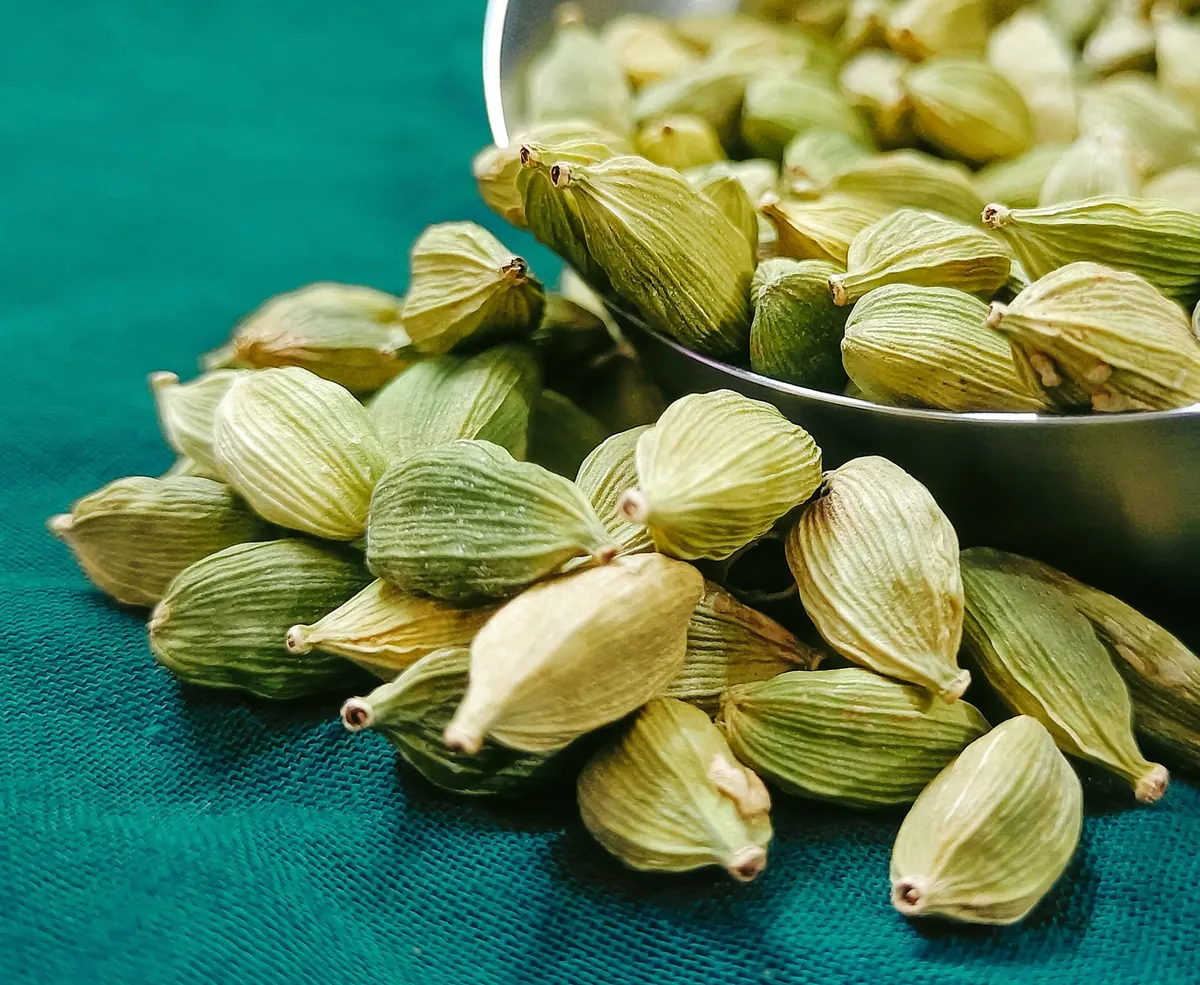
- Green cardamom — the top note. Floral, faintly eucalyptus, and the first thing anyone notices. Crack the pods; whole pods left intact release almost nothing.
- Fresh ginger — the spine. Heat and bite that cut through milk fat. Grate it, or crush it with the back of a spoon so the fibers open.
- Clove — the bass note. Warm, sweet, slightly numbing. Powerful enough that two cloves can carry two cups. Use whole cloves, never ground.
- Cinnamon — the roundness. It bridges spice and milk. A thin quill works better than a thick bark stick, which can taste woody and dominate.
Black pepper and fennel are the usual fifth and sixth additions. Pepper adds a dry heat that lingers at the back of the throat; fennel adds a soft anise sweetness and a little body. Both are optional, and both should stay in the background. If you can name them in the finished cup, you used too much.
The Ratio, Stated Plainly
Think in parts, not teaspoons, so it scales up for guests and down for one.
- 4 parts green cardamom — about 4 pods per two cups
- 2 parts fresh ginger — a 1-inch piece, grated
- 1 part clove — 2 whole cloves
- 1 part cinnamon — a 1-inch piece of thin quill
- 1 part black pepper, optional — 3 or 4 cracked peppercorns
- A pinch of fennel seeds, optional
For two cups, start with 1½ cups water and ½ cup whole milk, plus 2 teaspoons of loose black tea. That water-to-milk split gives a strong, tawny cup. If you like it creamier, go to 1 cup water and 1 cup milk, but add a little more tea to compensate, because milk mutes the leaf.
One habit worth building: keep the mix in a small jar, ground coarse, and use about ½ teaspoon per cup as a shortcut. The grind will lose its top notes within a few weeks, so make small batches.
Simmering: Where Most Cups Go Wrong
Order matters more than exact quantities. Spices need water, tea needs a short boil, milk needs time but not violence.
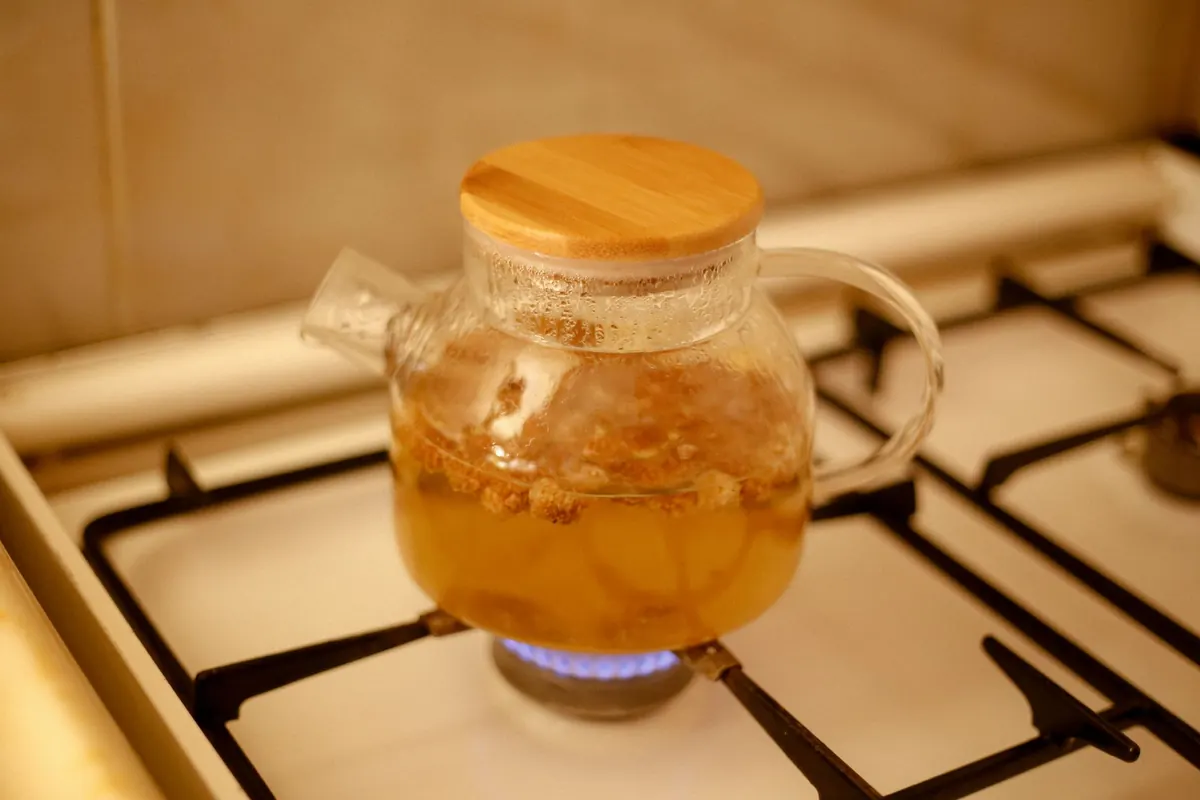
- Spices first, in water. Bring the water and spices to a boil, then simmer for 3 to 4 minutes with the lid slightly ajar. The water should smell like a spice shelf and take on a light amber tint. This step is not optional — it is the difference between chai and tea with floaty bits.
- Tea second. Add the black tea and boil for 1 to 2 minutes. Longer pulls tannin and turns the cup harsh, especially with strong Assam.
- Milk third. Pour in the milk, bring it back to a boil, then drop the heat to a low, rolling simmer. Cook it for 3 to 5 minutes. The longer it simmers, the thicker and more integrated the cup becomes.
- Watch the surface. If a skin forms quickly, the heat is too high. Constant hard boiling splits the milk and scorches the bottom of the pan.
- Let it rise, twice. Allow the chai to climb toward the rim, then lift the pan off the heat for a second before it spills over. Do this twice. It aerates the liquid and gives the cup a rounder texture.
- Rest and strain. Take the pan off the heat and let it sit for a minute so the spices settle. Strain through a fine sieve into a warm cup or pot, and sweeten in the cup rather than the pan so you can taste as you go.
A thin cup usually needs more time in the pan, not more spice in the pot.
Troubleshooting by Taste
Flat and watery
Add ginger, and simmer two minutes longer after the milk goes in. Extended time with milk does more for body than another spoon of powder.
Bitter or harsh
The tea boiled too long, or the clove and cinnamon are heavy-handed. Cut the clove first, then the cinnamon. Both are easy to overdo in small pots.
Sweet but muddled
Remove a spice instead of adding milk. Four clean spices beat eight blurred ones. Check the sugar too — a full spoon added early hides everything underneath it.
Thin even with milk
Use whole milk or a splash of cream. Oat milk holds up reasonably well in a simmer; almond milk tends to separate under a hard boil, so warm it separately and add it at the end.
Milk, Sugar, and the Tea Itself
For the leaf, a strong Assam is the standard choice — CTC for a bold, malty, quick-extracting cup, orthodox leaves for something more delicate. Either way, keep it plain. Pre-spiced chai blends already contain cardamom and cinnamon, so you end up doubling the blend and losing control of the ratio.
On sugar: white sugar is neutral and lets the spices speak. Jaggery or dark muscovado adds a molasses depth that flatters ginger especially. Add it near the end, taste, and stop earlier than you think you should — chai sweetens as it cools.
Milk fat carries spice aromatics, which is why skim milk produces a thinner-tasting cup even with the same spices. If you are avoiding dairy for health reasons, plant milks work, but treat them as a different drink and adjust the simmering times accordingly. For any dietary change, a qualified professional is the right person to ask.
Make It Twice, Then Write It Down
Make a batch tonight exactly as written. Then make it again in two days with one deliberate change: an extra cardamom pod, a longer simmer, jaggery instead of sugar. Two cups made close together teach your palate more than a month of reading recipes.
When you land on something you like, write the ratio on a strip of tape and stick it to the jar or the tin. Not the full method — just the parts. Cardamom four, ginger two, clove one, cinnamon one, tea two teaspoons, simmer five. That one line is the whole recipe, and it will still be there the next time you want chai without thinking about it.
Photo: JaspreetKalsi / Pixabay